
Murazov’s Moral Companionship
Dead SoulsThis flow follows Murazov’s relationships with Khlobuev, Chichikov, and the Governor-General as he combines personal counsel with public responsibility.
increasing Bearing strength in each event
 decreasing
Bearing strength in each eventdecreasingConcern for Khlobuev
Concern for Khlobuev
A Friend in Distress
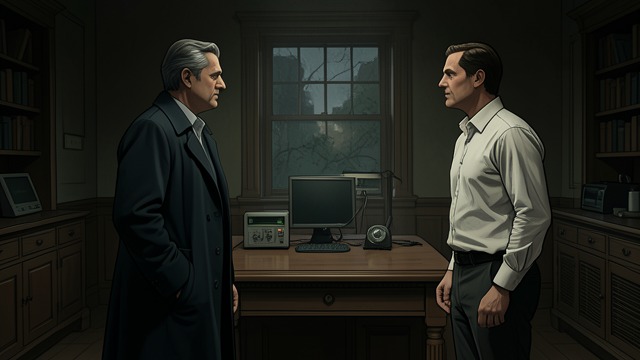
Murazov asks Khlobuev to explain his condition and what he would do with financial help. He refuses to treat poverty as the only problem, directing attention to idleness and responsibility.
Guidance Through Work
He offers Khlobuev a church alms-collecting mission and support for his family. The offer expresses care by giving him a task rather than simply paying his debts.
The Prison Visit
The Prison Visit
Compassionate Attention
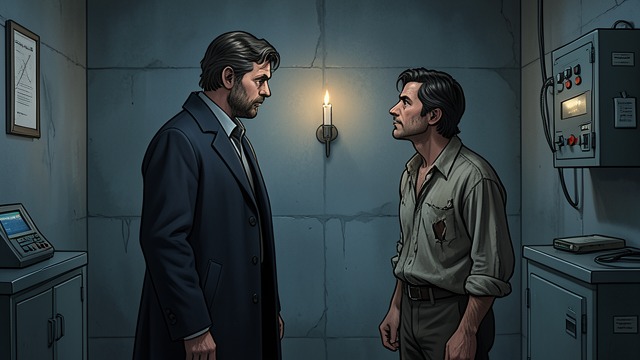
Murazov visits Chichikov in his cell and listens to his distress without pretending that the crimes are harmless. He focuses on the prisoner’s spiritual condition rather than the loss of his money.
A Moral Challenge
He asks Chichikov to abandon the pursuit of property and consider a quieter, more honest life. The counsel is personal and direct, not a formal sentence imposed by authority.
A Promise to Change

A Promise to Change
Confession of Habit
Chichikov admits that acquisition has repeatedly overcome his better intentions. Murazov argues that disciplined action can cultivate a genuine love of doing good.
Hope with Conditions
Chichikov promises to buy an estate and live honestly if he is freed. Murazov welcomes the resolve but warns that property and temptation must no longer direct his life.
Advice to the Prince
Advice to the Prince
Judgment with Context
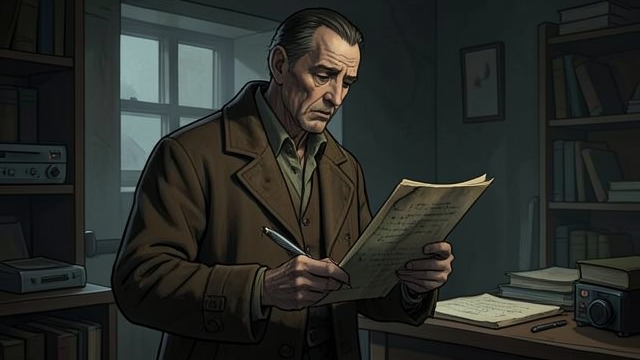
Murazov urges the Governor-General to consider degrees of guilt and the human weakness behind misconduct. He invokes the case of Dierpiennikov to caution against hasty, unequal punishment.
A More Candid Administration
He recommends speaking openly with officials rather than relying only on punitive procedures. His advice asks the Prince to treat justice as both accountability and an effort to understand people.
Aid Beyond the Case
Aid Beyond the Case
Practical Service
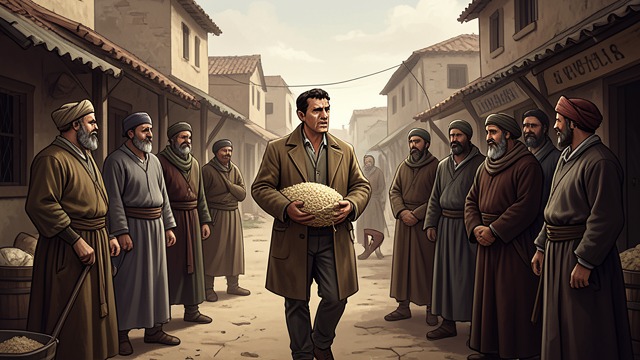
Murazov offers to distribute grain in famine-stricken districts and speak with the Old Believers. He believes ordinary people may trust a plain visitor more than a formal official.
Duty over Advantage
He refuses government money for the work, saying that he cannot focus on personal profit while people are starving. His actions connect private moral counsel to a broader civic obligation.
After the estate sale
An hour after Chichikov’s arrest
During Chichikov’s second prison conversation
During the inquiry into Chichikov
Before the Governor-General’s final meeting
